Sanatorium

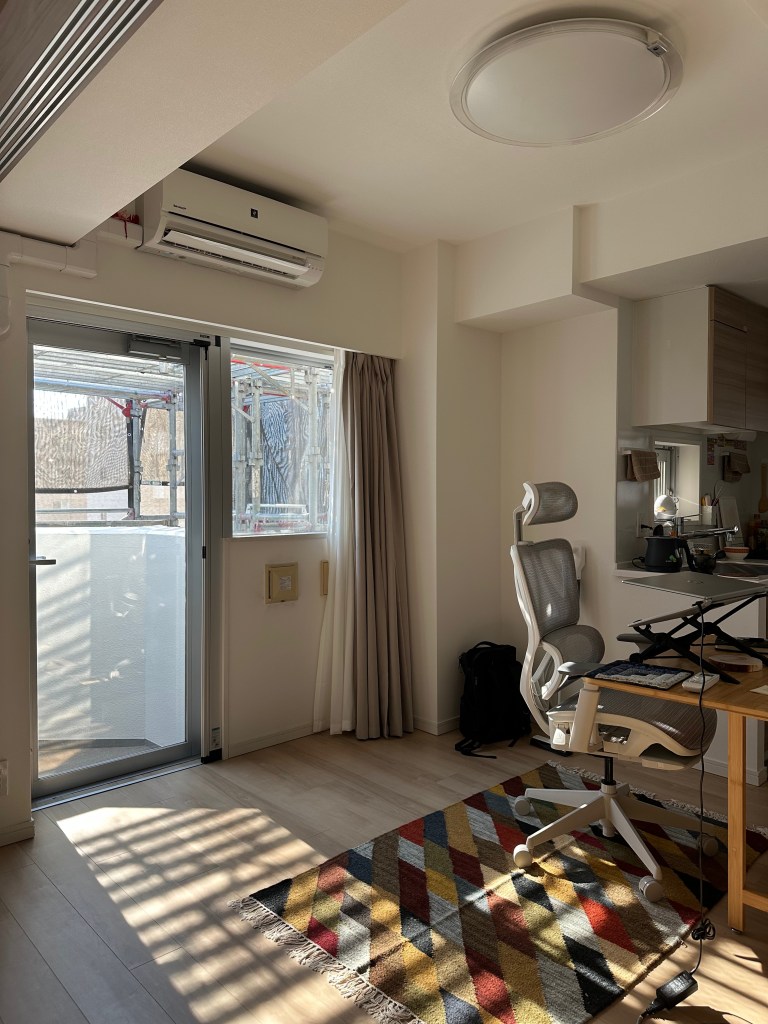
Not the view you get from your average sanatorium room

One of the small joys of being multi-lingual is to be tickled by nuances of words that are so easily lost in translation. One of which is the word “sanatorium”, which I discovered very pleasantly over the weekend. My original understanding of this word is that it is a euphemism for “mental hospital”, and is usually located in rural backwaters. In Japanese however, the equivalent term is 保養所, which has a different connotation altogether.

In this very specific case, it refers to a high-end holiday resort a stone’s throw away from one of the most storied attractions (The Hakone Open-Air Museum) in a historic holiday local (Hakone) in one of the world’s most highly vaunted country for tourists (Japan). The resort takes full advantage of its location along the mountain slope in its architecture which maximize the views of the surrounding forests from guest rooms and its multi-storied outdoor onsen. All while minimizing guest capacity to ensure an exclusive experience that serves the purpose of its existence: for guests to recuperate and recharge amidst the hustle and bustle of work as a salaryman (working in the Information Services sector in the Tokyo Metropolitan Area).

As such a salaryman, I contribute tens of thousands of yen in health insurance premium to TJK, the health insurance association which covers 310,594 other fellow salarymen of similar profile. Unlike in more capitalistic soceities, right to health is enshrined in the Japanese constitution when it was established in 1947. The natural consequence of upholding such a right is that health insurance premium is structured similarly to taxes; it rises as income rises. And I’ve been fortunate to be paying more and more the longer I have been here…while claiming for not much else beyond regular dental check-ups which are subsidized by 70%.

Which is why it was gratifying to be invited by a group of colleagues (and friends) to spend a weekend at the sanatorium owned and operated by TJK, the TJK Hakone Forest. The three of them, Hiro, Guilin and Maako joined the company at the same time late last year and dutifully perused the list of benefits that employees are entitled to. One of which is staying at the three sanatoriums owned by the association with the one in Hakone being the most luxurious of the three. All at the very-token price of 7,750 yen for room and 2 meals on a weekend at the heart of spring. With room referring to a 40 square-meter space with a floor-to-ceiling panoramic views of the eponymous Hakone forest that also comes with a kitchenette and a tub made from cypress bath. And meals referring to a full Japanese dinner banquet and a breakfast buffet with both Western and Japanese cuisine and locally-produced kamaboko (traditional Japanese fishcake).

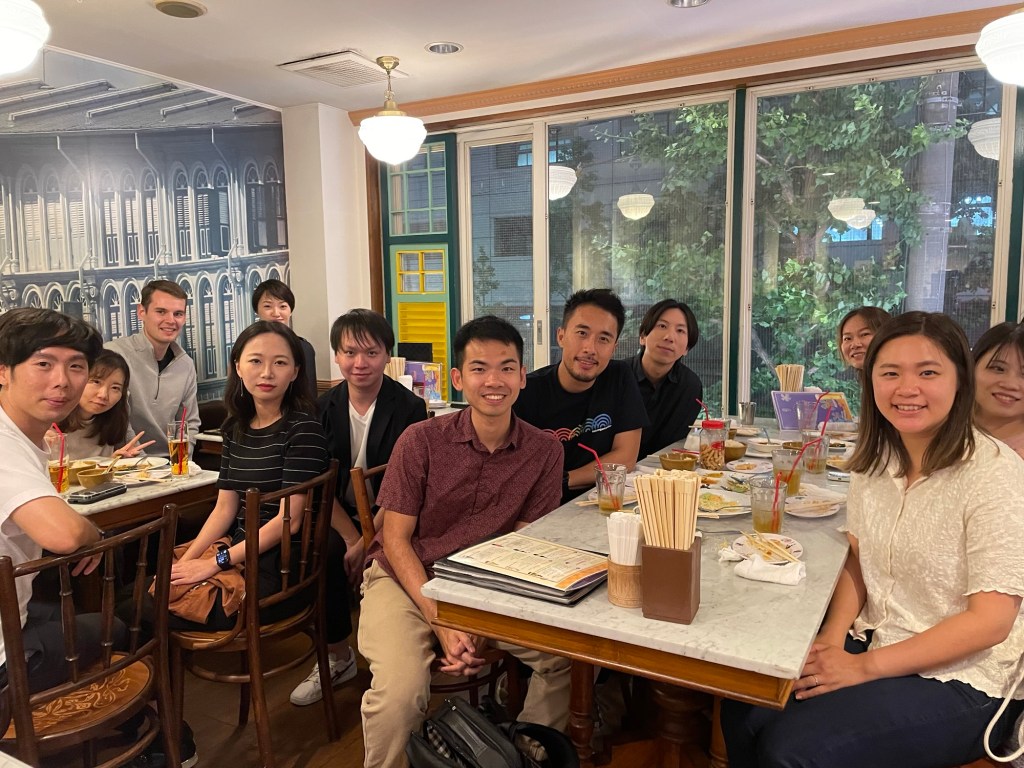
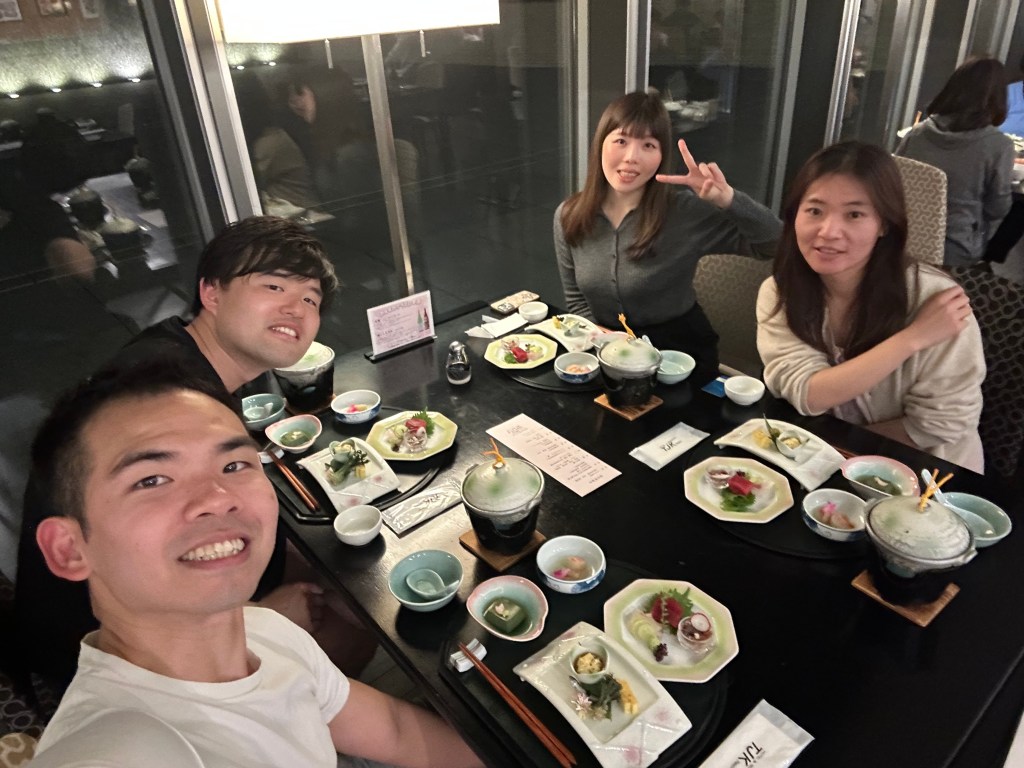
Posing for dinner after being floored by the facilities in the resort

It’s such an unbelievable deal that a significant percentage of these 310,594 members frequently apply for it. Due to overwhelming demand, guests are chosen by ballot and we were fortunate enough to be chosen for our desired dates and accommodation type. In my case, I was even more fortunate to be invited to (or should I say free-ride) on my colleagues who went through the paperwork and a questionable booking system to secure this weekend getaway.

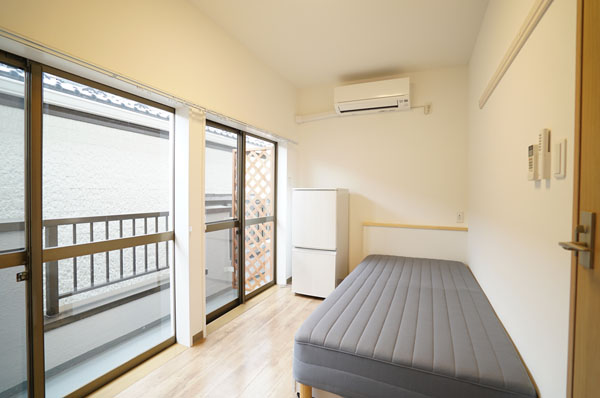
The availability (or lackthereof) of rooms in the resort even on weekdays

I had to constantly remind myself that this place is not a typical ryokan despite serving as one. The chasm in cover price and the level of amenities left a distant hum of cognitive dissonance in all of us who have been instilled with a mental map of price to expected offerings in Tokyo. It was a dissonance which we tried to both affirm and dispel by repeating at random intervals how unbelievable this whole set-up is. Even the prices of add-on drinks, lunch and amusement facilities were set at a level that further fuel this sense of unrealism; we were sure that karaoke rental rates there were even cheaper than those in the retro wooden two-storey establishments in the small towns of the countryside.

At a time where foreign tourists outnumber domestic ones (which we were made fully aware at Hakone Yumoto Station and on the ropeway ride), this resort stands out by being an almost-exclusive (with perhaps Guilin and myself being the only reason for the “almost”) Japanese enclave. This is not a surprise since eligibility for entry to this establishment is to be working and not touring in Tokyo. The other hurdle is the Japanese language itself. The advertisements and application for this resort are only in Japanese, with no incentive and effort for translations to other languages. This (in?)advertently repels foreign expats in Tokyo who technically can ballot for this. Once again and this time ironically so, the sheer lack of other foreigners in such a touristy environment entrenched my sense of disbelief.

Incentives shape architecture. In profit-making accommodations, rooms are usually compact and positioned adjacent to each other in cookie-cutter configurations to squeeze every last yen for every tsubo of real estate. In this non-profit sanatorium, rooms are generously spaced out to maximize the nature views and sense of openness of each. As if to encourage us to let go of the stress that we keep closed and contained within us on a day-to-day basis.

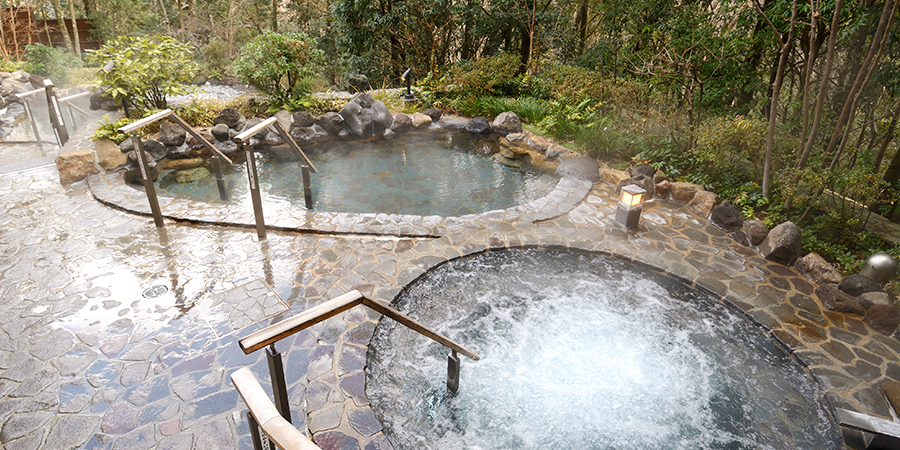
When it comes to de-stressing the Japanese way, one thinks of onsen. This is where the crown jewel of the resort truly shines. The changing room contains 50 (or thereabout) locker spaces, one sauna, one indoor pool and four outdoor pools cascading across three different levels and flanked by the forest. But whenever we were in the bathing area, there were 5 or so people (including us) and thanks to the different levels and distance, would not obtrude into one another’s personal space. To bathe both in the forest (森林浴) and springwater in such a dedicated expanse is the pinnacle of luxury and relaxation indeed.

Image from the official website; Hiro and I had the luxury of soaking in one pool each to ourselves

When planning for the trip, there were some concerns about how we would entertain ourselves at night after dinner. To that end, both Guilin and Maako brought along their Nintendo Switch, with enough controllers to test our growing friendship by playing Overcooked. In the end however, our friendship was tested over table tennis. Or to be more specific, Hiro and Guilin’s friendship as they bickered (very much in jest I hope) over their competition and cooperation when it comes to returning the ping pong ball from Maako and me.

Admittedly, what I gained more from the trip than the scrumptious meal and the extravagant room and bathing facilities was a newfound appreciation for active entertainment and amusement. And I am sure it was not just me. Hiro might have initiated the idea for playing ping pong when reminiscing about his days at Cambridge but in the end, it was all four of us who more than willlingly returned to the nondescript amusement room twice the next day.

I have never (and still don’t) fancy myself a sports-type. Yet I cannot deny the excitement which I felt when seeing my shots land and building a rapport through volley records with my friends.

We counted the record number of times we could successively keep the ball bouncing on the table more than who “won” or “lost”. We cheered one another with every skilful serve or masterful maneuvering. We lost track of time playing and many calories along the way too.

I did not get much sleep that night (more a personal quirk than a lament about the facilities). But the sojourn in the resort did rekindle a passion to try new things, make more mistakes and get better. This perhaps more than anything is what was needed from the stagnation of being in the same type of job and doing the same kind of work for more than five years. Here, more than any 慰労会 (dinners given in appreciation of one’s hard work) or utterance of お疲れ様です (a greeting which loosely translates to ‘thank you for your hard work’ used among colleagues), I feel the gratitude for my work and commitment since coming to Japan.

I believe all of us felt the same. The only question is when our next trip back to the sanatorium will be, hopefully out of want than out of need.

Juunenmae (Ten Years Ago)

Exactly ten years ago from today, just a day after arriving in Japan for the first time

It’s been more than half a year since my last entry, which is to say that this entry has been half a year delayed. Life (or if I were to be more honest, laziness) got in the way.

Today marks the start of a new year in Japan. The cherry blossoms are in full bloom here in Tokyo although that’s the only natural phenomenon in sync with the calendar this year. As I type this, it has been raining monsoon-like for 24 hours with temperatures hovering around 6 degree celsius in the day. Spring may have sprung upon us, but summer threatens to creep in even while winter refuses to let go.

Ten years ago, it was different. I would know because ten years ago from today marked my first ever trip to Japan. Back when I was touring and looking at the country with sakura-tinted glasses. Back when I would muster the courage to ask questions in Japanese to service staff memorized from textbooks and guide books. Then do a little jig to myself when I get a nod of understanding and a reply that I could not understand anyway.

Ten years ago, I checked into a hotel in Tsukiji upon touching down and thereafter let myself roam and explore without an atlas, thinking that I’d end up in Ginza only to find myself in Shiodome.

Ten years ago, I woke up at 3AM in the morning just so I could catch a glimpse of the first auction of the day at Tsukiji. And killing time at the waiting area by reading Letters from a Stoic.

Ten years ago, I was trying to submit a claims form for a CD transcription assignment (back when AI tools didn’t quite exist) by asking for a scanner before heading to Tokyo Station.

Ten years ago, I pulled my Delsey wheeled luggage bag across the cobblestone walkways in the Imperial Gardens, and worrying about destroying the wheels on the very first day. Back when I was unaware that lockers existed in train stations, let alone tried looking for them.

Ten years ago, I had a Yokohama-style omelette rice bento for my very first ekiben on the Shinkansen.

Ten years ago, I felt that waiting a 15-minute interval between trains bound for Miyajima-guchi from Hiroshima station was very long.

Ten years ago, I struck up a fleeting friendship with a solo American female traveler who had been living in Bangkok while waiting for the ferry to Miyajima.

Ten years ago, I got lost searching for my own accommodation after safely guiding my newfound friend to hers and had to ask a young Japanese couple for help.

Ten years ago, I chatted with a guesthouse owner who knew about Lee Kuan Yew’s recent passing and expressed his condolences.

Ten years ago, I got lost again, this time at the sight of the Itsukushima Shrine floating above the sea against the soft evening hues in the background.

Ten years ago, I went to a ramen restaurant for dinner with this newfound friend and was prodded by a fellow Caucasian customer to eat the noodles quickly before they get soft at the owner’s behest. The Caucasian lady’s fluency in Japanese became my own inspiration to understand the language and culture of places that I visit and live.

Ten years ago, I embarked on my inaugural 11-day solo travel in Japan.

Ten years ago, I was so infatuated with the trip that I wrote a blow-by-blow of the entire journey by hand after I returned (and which I later typed and saved on the PC). I would be giving my memory too much credit otherwise.

Today, I woke up at 8.45AM in my sharehouse of five and a half years in Tokyo after spending the whole of my Sunday binge-watching When Life Gives You Tangerines.

Today, I worked at home through the company-issued laptop, grateful that I do not have to be commuting to the office given the suboptimal weather.

Today, I am reading a book written in Japanese about the influx of rich and educated Chinese nationals into Japan. It’s called 潤日 for anyone who is interested.

Today, I no longer have a deadline to my time here and have chosen to call Tokyo a home.

Ten years ago, if I had known what I do now, the trip to Japan would not have been as dreamy and magical. Tourists are not subject to onerous income taxes and deductions and neither are they expected to give fluent work presentations in Japanese. What I do know is that if I had not gone on that solo trip as a very impressionable 21 year-old, I would not be here today, sufficiently charmed by my experiences as an explorer to presume that living here would be a way to extend that dream.

As a much-less impressionable 31 year-old, I know better now. That the grinding bureaucracy is more the stuff of nightmares for one. But I also know that I have grown use to the cleanliness and little civilities here. This is also the place where I have achieved many of the milestones that mark adulthood. This is where I feel at ease to be myself and be by myself.

The longer I stay, the more comfortable I get. Too comfortable perhaps. Throwing down the gauntlet and uprooting myself to live and work in another foreign country again though may be besides the point. It feels almost petulant to be repeating the challenge just for the sake of it. That being said, my current lackluster efforts to learn Korean and French would definitely benefit from this.

Beyond expanding my polyglot portfolio, I do have a keener interest in being better at what I do. Consulting as a profesison has its fair share of criticisms, but I still do believe that there is value in what we do in certain contexts. Even if it’s just borrowing the client’s watch to tell them the time. Because based on my experiences, it can be audacious to assume that the client can tell the time and understand its full implications. Plus there are times where many key stakeholders may have different methods and incentives for telling the time.

Ten years ago, I had no idea what I wanted to do. Only what I could not. And I ran away to Japan shortly after as a way to escape from turning down what I thought was the biggest dream and ambition of my life back then.

Now, I have a clearer idea of what I am doing. And what I can. And I am still in Japan to see this through.

Snapshots from Okinawa

Getting out of the airport, one is immediately struck by the humidity of the place. Okinawa in May feels like Singapore with the thermostat set a few degree celcius cooler; my friends had travelled 3,750 km only to find themselves back to where they departed while I found myself home away from home. But perhaps the more appropriate comparison would be Malaysia. Instead of towering skyscrapers, concrete structures of a few storeys high, ranging from quaint shophouses to private residences, scatter across the lush and verdant tropical vegetation. Even the heart of Naha felt like a throwback to the 1990s, save for a handful of newly constructed luxury hotels.

Perhaps a three-way fusion of mainland Japan, Taiwan and Malaysia would be the best way to describe it. Yes, Japanese is the official language there but in Makishi Public Market, it is the signs in Chinese promoting the preparation of live seafood on display that stand out. The streets are grimier with stalks of weed and the occasional wildflowers poking out from crevices on the pavements but general litter is conspicuously absent. The people are a tad more coarse and direct, but also warmer in their interactions. We talked about how one could transplant a random shophouse from Taiwan or Malaysia there and no one would be able to tell the difference, since the Japanese kanji and Chinese hanzi are just about indistinguishable without the hiragana or katakana flourish.

The highlight of the trip though was the food. I have a soft spot for Okinawan food seeing how among all the different types of Japanese cuisine, it is amongst the most homely. Kyoto-style kaiseki is exquisite no doubt but it is not something that one can afford to indulge in regularly and its fanciness (and coldness) invokes an unwitting hesitation to actually eat it. But it’s a different case for Okinawan food where signature dishes are typically stir-fried or stewed with literal and figurative down-to-earth ingredients almost guaranteed to laden an empty stomach. And they are good for your health too. No wonder that Okinawa is also one of the world’s Blue Zones, areas where the population has a life expectancy much higher than the global average.

Food does not lend well to my mediocre photography skills and inability to resist the scrumptious dishes laid in front me (the camera never really got to “eat first”). So instead, here are 6 pictures that completely fall short of capturing our vacation on this idyllic island which once bore witness to the “typhoon of steel”.

(Note: The nicer photographs are attributable to my friends)

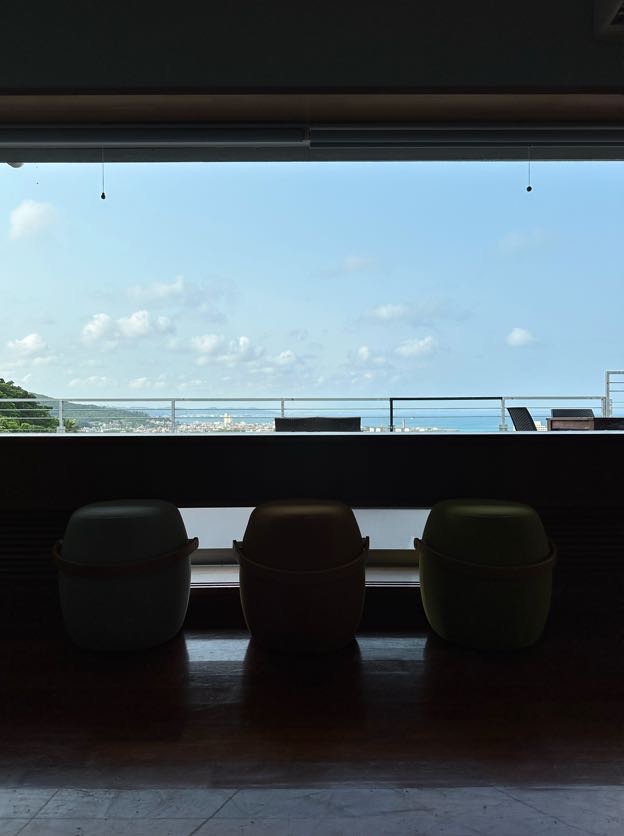
Nestled in Nanjo, a 30-minute drive from Naha, this Airbnb featured a jaw-dropping panorama of the urban coastline set against the cerulean Philippine Sea. It was home to our party of 3 for the entire trip, and a departure from the thrift that marked our Iceland trip seven years ago as students.

Instead of looking at the surface of the sea, we got to see the inside of it in the Churaumi (literally “beautiful sea”) Aquarium. It no longer holds the world record for largest aquarium in the world but it certainly holds a special place in our heart.

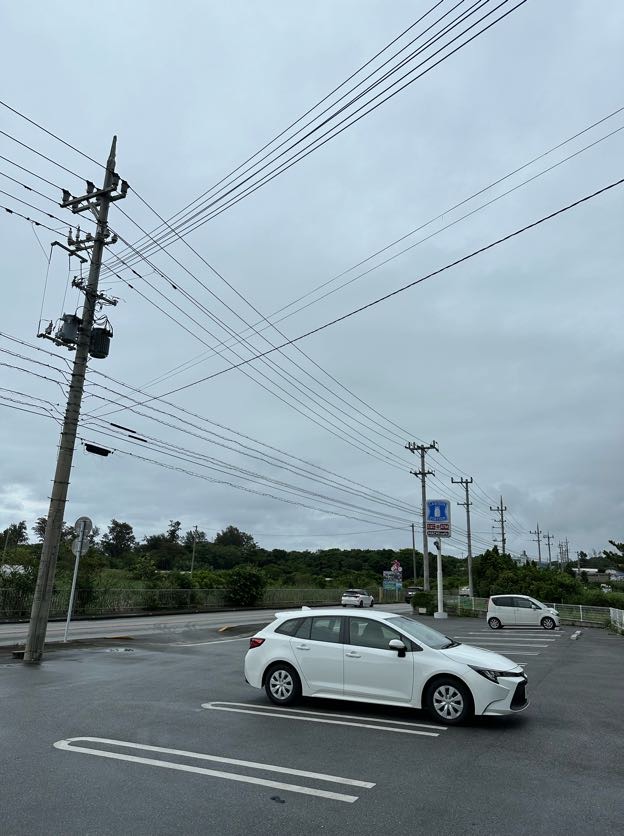
With the state of public transport infrastructure a far cry from that in the mainland metropolises, rental car was the way to go. And with it, we got to relish one of the idiosyncratic joys of roadtripping in Japan: a pit stop at the local konbini for coffee and snacks.

Limestone caves are not unique to Okinawa but the Gyokusendo is one of the largest cave systems in Japan; large enough to accommodate the cohorts of junior high school students who thronged through the narrow passageways.

The colored spotlights and shaved stalactite walkways were a reminder that this is as kitschy of a tourist attraction as they come. But that’s exactly what we were: tourists.

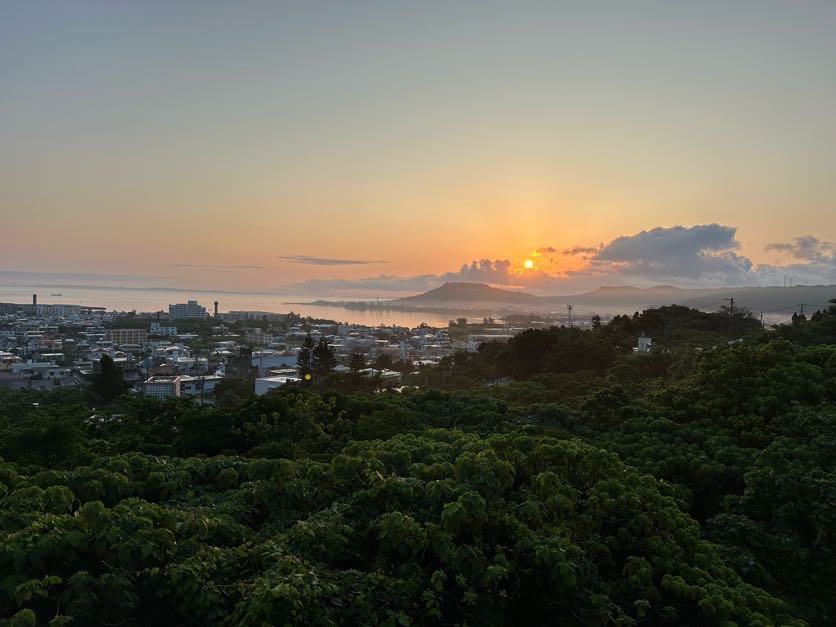
This was the promise on the Airbnb site that convinced us to book this place notwithstanding the musty odour and dated furnishings. A really great start to the day.

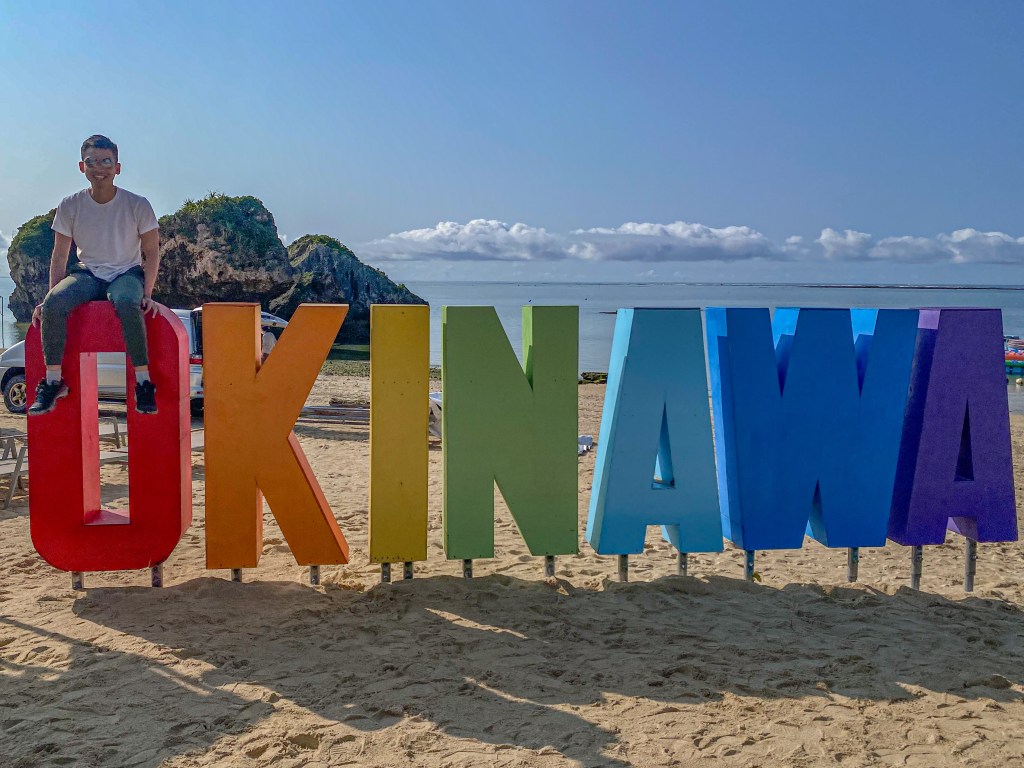
We were wondering about the best angles to take a photo with this iconic structure along Mibaru Beach when I noticed scratch marks on top of the “O”.

One “muscle-up” later.

The Culture Map

There are two young fish swimming along and they happen to meet an older fish swimming the other way, who nods at them and says, “Morning boys. How’s the water?” And the two young fish swim on for a bit, and then eventually one of them looks over at the other and goes, ‘What the hell is water?

The quote from David Foster Wallace above is as short an allegory on culture as they come. We don’t notice it until we are thrust in a different environment or meet creatures who interact with it in different ways. Say in part two of the quote, these young fish eventually meet a turtle swimming the other way. The turtle which splits its time between land and sea may be able to illustrate more clearly that it isn’t just water that can be different: that even that their medium of existence isn’t the only media that sustains life.

But that’s provided that the turtle can speak a common language and convey such a point with the young fish in the first place without any misunderstanding. The Culture Map, is the name of a book from INSEAD professor Erin Meyer, where she illustrates how miscommunication can occur so easily and unintentionally across cultures in the corporate context. In the book, she provides a framework for plotting how cultures differ along 8 different dimensions, replete with the mapping of the larger and globally prominent countries’ culture in each dimension.

I chanced upon the book at a Kinokuniya outlet in Shinjuku last month, perched on the bestseller shelf in the English section. Strange enough, for a presumable bestseller there weren’t any quotes from major literary figures or awards or time spent on bestseller lists. But the title was captivating and sure enough, I found myself reading the book cover-to-cover. Twice.

It’s a masterclass in cross-cultural communication and crystallizes what many a left-brained colleague would dismiss as ether. But it’s ether that translates to very tangible consequences when deals fall apart because of a mutual lack of trust and understanding. The book itself is also a consultant’s dream, with a strong foundation of frameworks while being laden with many thought-provoking anecdotes of faux pas and lessons learned from Erin and her seminar participants. For those who are looking for concrete tips, the book gives them in spades from how a presentation should be structured to content that should be contained in emails.

It’s a breezy read which would certainly help those who cannot read the air. For a summary of the key takeaways of this book, I recommend reading this post from LinkedIn.

As the book presents as a disclaimer, the position of a culture on the map is just one aspect that should be considered in interpreting and crafting communications. After all, the plotting of a single point on the spectrum for each dimension is a simplification, and was derived as the mean of a population of responses from each surveyed culture. Within each culture, there is a range which is considered appropriate. This takes into the account the other aspect: differences in people’s personalities. According to the book, taking these two into account will allow for effective communication.

To that, I would like to add a third layer: discounting for foreigners. Which is to say that natives tend to be more tolerant of cultural foibles from foreigners in day-to-day interactions. I believe it isn’t something which is mentioned in the book because it would arguably dilute its value: is there a need to really absorb the lessons and tips if the get-out-of-jail-free card can be easily played?

But it is a phenomenon which has played out in my time here in Japan at least. Or it could also be unique to Japan, or my position as a Singaporean in Japan. Or that there really isn’t any time to be doing nemawashi and getting everyone’s consensus before proceeding in consulting when what matters a lot more is getting quality output to the client by pressing deadlines.

Qualifiers aside, what this means is that I am constantly being “forgiven” for not conforming to the same social expectations, including those in communications. Like turning down requests directly instead of implying that “this would be difficult…”. And being able to get more time to think by asking my counterpart to repeat the question innocuously . And also why I have colleagues who will beckon me to interface with difficult clients because I am held to a different standard of delicacy, or lackthereof. The very same refusal or prevarication would have been interpreted as an offense from my Japanese or highly-naturalized co-workers.

Amongs the foreign expat community here, this is called playing the gaijin card. The downside of doing so all the time is that one inadvertently gets excluded from ever being part of the “in-group”. But I have never ever thought of myself as Japanese, or even wanted to be Japanese. What I have wanted is to be able to speak the language and understand a way of life that is different from my own. All while respecting this place and its people while adhering to my beliefs.

In short, to be the older fish that can tell how Japanese waters differ from Singaporean ones. To know that there are different waters out there in the world and to be able to swim just fine in many of them.

Nihongo ga jozu desu ne

For the uninitiated, that phrase above is a transliteration of 「日本語が上手ですね」which means “Your Japanese is really good”. Said (too) often by native Japanese folks to foreigners who are noticeably trying very hard to get the right words out in the right order. Normally in a conversation about the weather and other small pleasantries.

It’s intended as a compliment but may inadvertently come across as patronizing. This feeling is not foreign to a Singaporean of Chinese ethnicity who has travelled abroad and been told on no few occasions that “Your English is very good [for a Singaporean]”. I mean, English is the main language we use in the little red dot, though not everyone can slip in and out of the Singlish accent and mindset easily. It is only when someone says that my “Chinese is very good” that I truly blush a little.

But I digress. For this is a story of how I went from flubbing a burger order at McDonald’s to chiming in at a high-stakes client presentation in four years. And how your nihongo [Japanese] can be really jozu [good], explicit external validation not necessary.

It was September 2019 and I have just touched down at Narita Airport to go to seek my great perhaps. Exactly a year earlier, I was given an offer by my previous firm to return as a fresh graduate analyst, only now that speaking business Japanese “is expected”. For someone whose command of the language amounted to whatever was contained in the Genki I textbook, it was a tall order to say the least.

But if they believed in me enough to offer, surely I would be courageous enough to accept it. Plus I was curious: what would it be like to be a tabula rasa once more, as fresh graduates in Japan are expected to be anyway? In Singapore, I had hewed very closely to the archetypical aspiring Singaporean corporate professional path. This may sound audacious but I could see, even know how my life would turn out if I didn’t rock the boat.

So I rocked the boat.

It’s not as if I didn’t come prepared though. In that final year in university, I spent more time poring over Japanese textbooks and assessment books than on the tutorials that were supposed to help me graduate. All that cramming for the Ten Year Series from my primary school to junior college days did not go to waste. Within a year, I was able to clinch a passing grade for the N2 (second-highest level) for the Japanese Language Proficiency Test (JLPT).

In short, I should have been able to comprehend orally presented materials such as coherent conversations and news reports, spoken at nearly natural speed in everyday situations as well as in a variety of settings, and is able to follow their ideas and comprehend their contents [sic].

So with my (un)warranted confidence, I stepped into a McDonald’s to order my go-to, a fillet-o-fish burger a la carte. It is as simple as most orders go. What could go wrong?

「店内で食べますか?それとも持ち帰りますか?」(Dine here or to go?)

I was stumped. Apparently, my faculties for listening comprehension were only activated when I am seated with a test booklet in front of me and surrounded by other acolytes in similar postures. In the austere and quiet sanctuary of an examination room no less, of which a McDonald’s in Shibuya certainly was not.

After a few more weak-willed requests for the cashier to repeat, and even weaker-willed attempts at understanding, I retreated to clarifying in English what was being asked.

Surrounded by the growing impatience of both the cashier and snaking queue behind, my choice was clear.

So that nobody here has to duck out of McDonald’s prematurely again out of linguistic shame, here are three lessons that I learned in this journey.

1. Master the basics (which really aren’t that basic)
It sounds so simple but it is a lot harder, and requires much more discipline to accomplish in practice. In my valiant attempt to be at the “business-level” in the language, I pummelled through successive levels of the JLPT. Instead of starting from N5, the most basic JLPT level, I challenged myself to complete the N3 (Intermediate) in a few months with nary a foundation to stand on. To compensate for the lack of years of studying in a language school that one would normally need for this level, I shortcuited the process by reviewing my grammar notes repeatedly.

For me, the crux lay in the grammar because without which, I could not tackle the vocabulary and reading comprehension sections too. Without good grasp in grammar, one cannot expect to understand the relationship between terms. I could get by without mastering all the vocabulary as some of the kanji terms were the same as those in Chinese. Listening comprehension was pretty much a toss of the dice since there are only three options to choose from for each question. And one only needed 19/60 for each section to pass (subject to a minimum cumulative score). Thereafter, bulldoze through practice papers after practice papers to increase my familiarity with the test structure. The content of the questions may change, but not their presentation will not.

It was with this calculation that I sought to “game” the test, not just for the N3 but also for the N2, which I took six months after. But Japanese is not just a test subject; it’s also the 8th most spoken language in the world. And it has the complexity of one where its native speakers are amonst the most literate globally. It was indeed misguided of me to think that a year of hard studying and not much else would be enough to be at the business level; it may not even be enough for ordering at McDonald’s.

What did help me approach that level in my years here was going back to the basics. Even with the “N2 Pass” under my belt, it was the Genki I textbook that remained my constant companion. Before tackling the esoteric あるまじき, it is crucial to understand が、を、に、で and は and the essence of what they mean. The former may be fancy but its use is highly regulated and specific. On the other hand, the common Japanese particles are often combined and deployed in myriad ways, many which may not be gramatically correct, but which feature in the paraphernalia of everyday life.

Plus, I would also recommend close reading of any tourist guidebook containing common phrases to avoid embarrassment at food and retail establishments.

2. Maximize your exposure (to the language)
Cramming grammar rules and tearing through mock tests could be effective if the purpose is to pass a test. It is much less so if the purpose is to assimilate a foreign language and culture. Japanese was not something which I wanted to memorize and regurgitate for an examination; I wanted it to be a means to understand and be understood in this new world.

Early on, I decided to engage with community tutors on iTalki, an online language learning platform which connects language tutors and students. There was also an option to choose professional tutors but this was never something which my then-student budget entertained. Besides, my main purpose was to talk to someone native, in as natural a setting as possible. And for that someone to probe me to speak in Japanese. To this day, I still shudder when I recall the initial struggle to string words and particles in my head, especially when it comes to placing and conjugating the verb at the end. You never know what someone means until the very last utterance.

Watching anime used to be an enjoyable pastime, but it became listening and reading practice when I switched the subtitles from English to Japanese. Instead of admiring the vibrant interplay of colors and lines flooding the screen, my eyes were glued to the monochrome mix of kanji and kana. Pausing and rewinding every few moments to check the dictionary does detract from my viewing pleasure. But at least now I can justify spending more time bingeing on the latest Netflix series in the name of productivity. Looks like you can’t take Singapore out of the Singaporean.

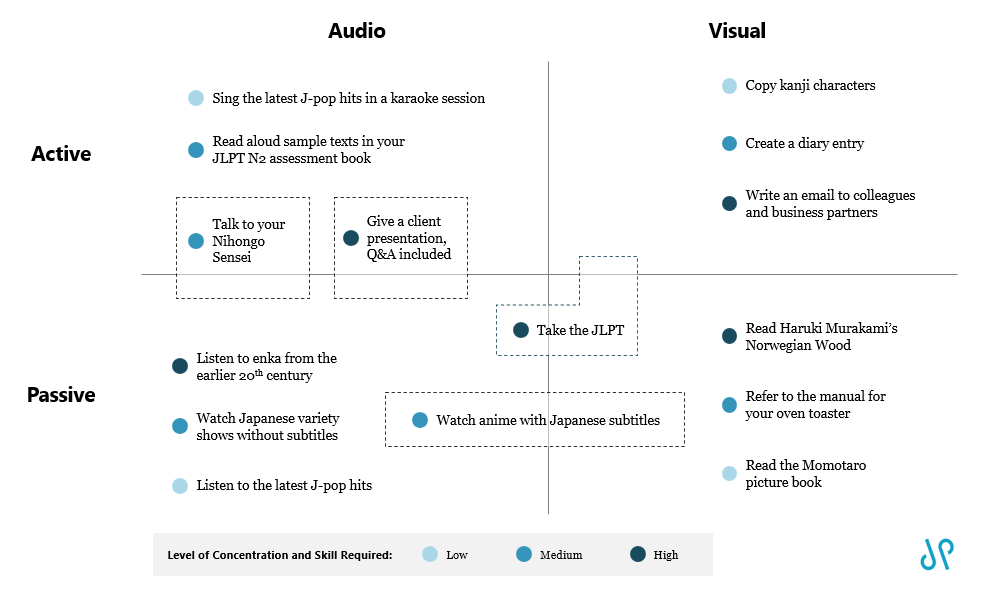
The list of language learning activities go on (see above for a completely non-exhaustive matrix). What’s important is to ensure that you partake in activities across all four quadrants and range of concentration and skill requirement. The balance is important, and not just in the audio and visual aspects. Focusing on only passive activities means that however much you can understand of the art and culture, you will remain an onlooker at best. On the flipside, a single-minded focus on speaking and writing may hinder your interactions with others to nothing more than the most rudimentary of exchanges: “how are you / I’m fine / thank you”.

One would think that focusing only on activities that require a high level of concentration and skill would be sufficient and be the most efficient in foreign language acquisition. From personal experience, I learnt the hard way that that’s not neccesarily the case. The prospect of entering the corporate world as mute, deaf and illiterate was scary enough for me to spend hours a day for months on end plunged in intensive Japanese study. I was drowning but I did not know it then. Through this linguistic equivalent of waterboarding, Japanese became more a cause for fear than felicity.

It’s okay (and arguably better for both language immersion and mental health) to take many breaks and to incorporate and enjoy low-effort activities too. Since coming here, I’ve included Japanese songs in my karaoke repertoire, where the joy of singing along takes precedence over the deciphering the semantics of the lyrics. Write simple thank-you notes. Strike those “how are you” conversations with neighbours. Assist a helpless looking tourist with directions.

These activities may be low concentration / skill / effort. But they are also the ones most prevalent in our daily lives. And the ones which embody the main purpose of language: for us to communicate and connect.

3. Manage your expectations (and be okay with imperfection)
Learning a foreign language especially as an adult is not easy. You are not going to improve magically overnight. You may not see significant progress even after many months. At this point, you may very well resign yourself to being functionally deaf, mute and illiterate in the foreign language.

It does not have to be this way though. Based on my observations of an inordinately small sample size, there are three main reasons why people fail to meaningfully pick up a foreign language.

  1. Lack of Interest (how badly do you want to pick up the foreign language)
  2. Lack of Immersion (includes learning resources, duration and consistency of time spent etc.)
  3. Inhibition

It’s the last reason that stands out. In my previous workplace, I was surrounded by ambitious, smart and young local colleagues, many of whom had graduated from top local schools, Todai (University of Tokyo) included. Yet in spite of their intelligence and high test scores, some of my ex-colleagues were essentially incapable of speaking in English. Dressed sharply in form-fitting tailored suits topped with a carefully crafted pompadour, they appear as the epitome of corporate professionalism. However, more often than not, their trepidation about not being able to speak English well engenders the very paralysis that almost guarantees that they will not speak it well.

To me, being prepared to make mistakes, and being just as prepared to learn from your mistakes quickly is perhaps the most underrated skill in foreign language acquisition. In my case, I faced the unsavory choice of being mute and useless the whole time or getting quizzical looks from my co-workers as I painstakingly try to piece together my ideas coherently. As the Japanese would say, it’s a situation of 板挟み (stuck between a rock and a hard place).

Life is the sum of your choices.

Albert Camus

Day after day, I chose to stumble. But with each stumble, the right terms became easier to summon. It became easier to place the verb at the end of a phrase. It became easier to read, write, listen, speak…and dare I say, think in Japanese. The attention I got from my colleagues gradually morphed from a quiet condescension to genuine attentiveness.

My grasp of the language is still far from perfect and there are days where I garble mid-sentence. And still too many times when my peers would catch me flipping through the Japanese-English dictionary on my phone during a nomikai (drinking party) to check the meaning of new terms and colloquialisms. Or watch me stare blankly at them as I try to figure out what was going on.

Then there was also a day where I could look at a top Japanese executive of a billion-dollar corporation in the eye and explain a technicality which he was curious about. The explanation was stilted and would not hurt from the use of more honorific expressions. But the point was clear.

The subtle nod of his head affirmed not just his understanding; it also affirmed the choices I have been making on this Japanese language learning journey. More so than any exuberant expressions of Nihongo ga jozu desu ne.


If you like this content, please like and leave a comment below.

Thank you for reading!

The Origin Story

This story was written in October 2019 on LinkedIn as an entry for a writing competition organized by someone I knew from school.

It has been weighing on me for quite some time to get back to writing for a general audience. And I cannot think of a more appropriate piece to inaugurate this blog than with one which was written in those relatively halcyon days.

Before the COVID-19 pandemic brought the world to its heels.

Before I took off the rose-tinted glasses that a foreigner inevitably wears to Japan at the start.

Before I started appreciating my time here and this place as what it is rather than what I thought it was.

“Are you sure that you didn’t get someone else to do up your online test for you?”

It was 4 a.m. in Philadelphia and I was dressed in a business shirt and track pants while being interviewed for a summer internship at BayCurrent Consulting, one of the largest general consulting firms in Japan. I was sluggish in tackling the math and case questions being hurled my way through Skype by my Singapore-based interviewer and it showed.

Truth be told, I was more appalled by the attack on my integrity rather than my intelligence with the lack of empathy ranking somewhere in between. In response, I apologised, clarified that my online test was truly my work and pointed out that it was still darkest before dawn where I was.

Thankfully, dawn came in time and I soon found myself a 3-full-week long internship (technically 18 working days) in Tokyo in the August of 2018.

I had three mentors whom I remember fondly from my internship days, all whom spoke fluent Japanese. The first was an ethnic Korean Australian. She was patient, stoical and brutally frank. I have lost count of the number of times I was chided for 1) not clarifying the requirements of the task before proceeding 2) using fanciful English which impeded understanding and 3) giving too many excuses. Yet she still made it a point to set aside an hour a day poring through my work with me, nudging me towards an insightful response each time and stressing the importance of formatting and presentability in everything that I offer as completed work.

The next was a US-educated Chinese. He was approachable, kind and responsible. I was assigned to his team to help with some research in my final week. I would have understood if he saw me as a temporary worker to be exploited and threw me the most mundane of tasks with little guidance. Instead, he treated me as a full member in his team and I was tasked with research that would eventually be presented to the client. Along the way, he gave me tips and tricks for being a more efficient and effective consultant and encouraged me to develop my own interpretation to the data.

The last was a fellow Singaporean. He was eloquent, generous and seemingly mercurial. On my very first day, I drank from a consulting fire hose he nonchalantly held. In subsequent days, I racked my brains to come up with data and syntheses within time constraints that felt impossible at times. At work, his standards were exacting, and he would not accept compromise. After work, he did a 180 and became a buddy. From him, I learnt that we each must make our own choices in separating work and play. But more importantly, I know now that a life without a hypothesis is not a life well-lived.

I embarked on the internship thinking that it would be a fun and enriching experience with no lasting consequences. After all, I could barely speak enough Japanese to get around the city, let alone engage in business discussions. The internship was supposed to be a serendipitous once-off occurrence which I could cherish as a memory. But I could not forget the excitement I felt during those interviews, the inspiration I felt from my mentors and the vibrancy of the city. And the three lessons of this unforgettable experience in my forgettable life.

First, we must recognise that our achievements are almost never only due to our merits. At first glance, it may seem that my grades and exhibited abilities got me through the door. But that would only be a very small part of the story. BayCurrent Consulting was actively looking for Singaporean interns in late 2017, motivated surely by the performance of our local universities in global rankings and the reputation of our people. Singapore was a brand that they could trust, and this was corroborated by the track record set by my pioneering Singaporean mentor. It was on the shoulders of these institutions and precedents that I stood that gave me the stature to reach for this opportunity. So now it is my turn to help pave the way for those who will come after me.  

Next, we must connect with one another. Nothing adds a feather to our career cap like an overseas work experience. It exudes desirability, intrepidity and adaptability in a resume for the most part. And of course, you get to tick off your fair share of tourist attractions while you’re in the area as well. But what I remember most from my time in Tokyo and other overseas stints which I’ve had the privilege to embark on are the connections, however fleeting, that I’ve made with people from diversely different backgrounds. A weekday lunch with an American colleague at an izakaya near the office. A weekend day trip to Kamakura with a fellow Chinese intern. A farewell dinner with Japanese supervisors. I may no longer be actively in contact with most of them but during the intersections where our paths crossed, we had more that we shared than otherwise.

Finally, we must each come up with the hypothesis to our lives. As Singaporeans, most of us grew up knowing (and needing to know) what our paths in life would be. It was a path that also came embedded with an implicit promise: study hard in school, get good grades and you will be able to finance a materially comfortable existence for you and your loved ones. You will be able to live the good life. The hypothesis is a foregone conclusion. Perhaps more than most others, I bought into that promise and certainty and I devoted most of my time and effort into my academics. For the most part I did well in school but as the years rolled by, I felt increasingly dissatisfied. I was studying with no direction and as thankful as I am for the support I had received for this journey, it did not feel like a journey which I had any agency in. But this couldn’t be any further from the truth. We have the freedom to choose; we just need to accept whatever consequences that stem from these choices, including consequences that we could never have imagined beforehand.

That is when given the opportunity to return, I seized it. And I haven’t looked back since.


Notes:

  • I was in Philadelphia as an exchange student when the intern recruiment process was ongoing and was thus unable to be interviewed in-person.
  • There was no requirement to speak Japanese for the internship; it was a different matter for the full-time offer as a graduate analyst and I was expected to speak business-level Japanese upon joining BayCurrent Consulting. That’s a different story for a different day.